Safety First in Pipeline Pigging Operations
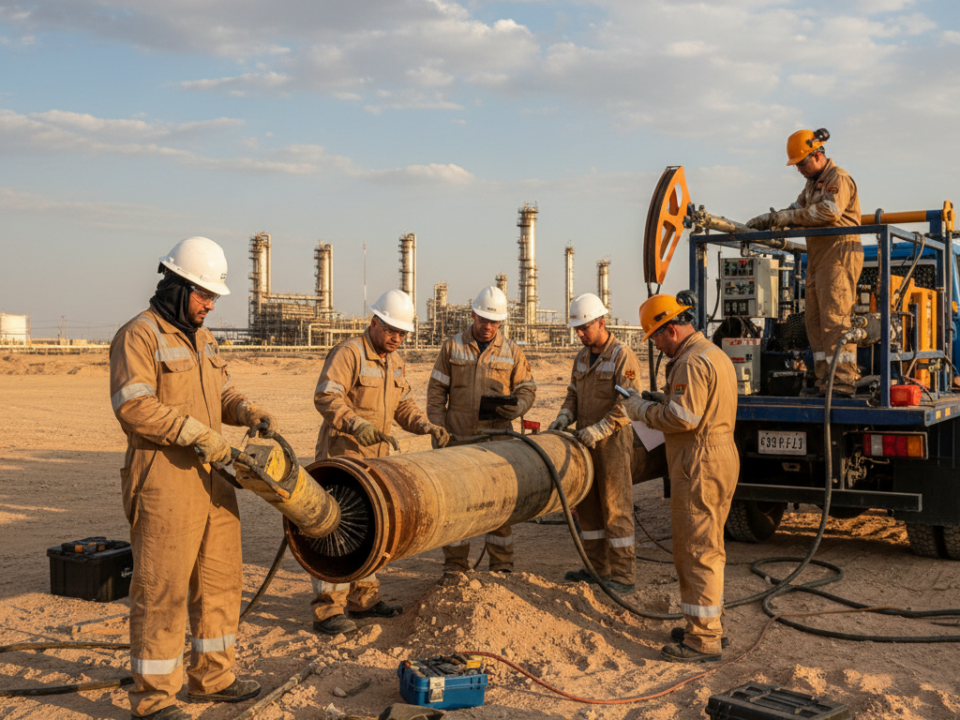
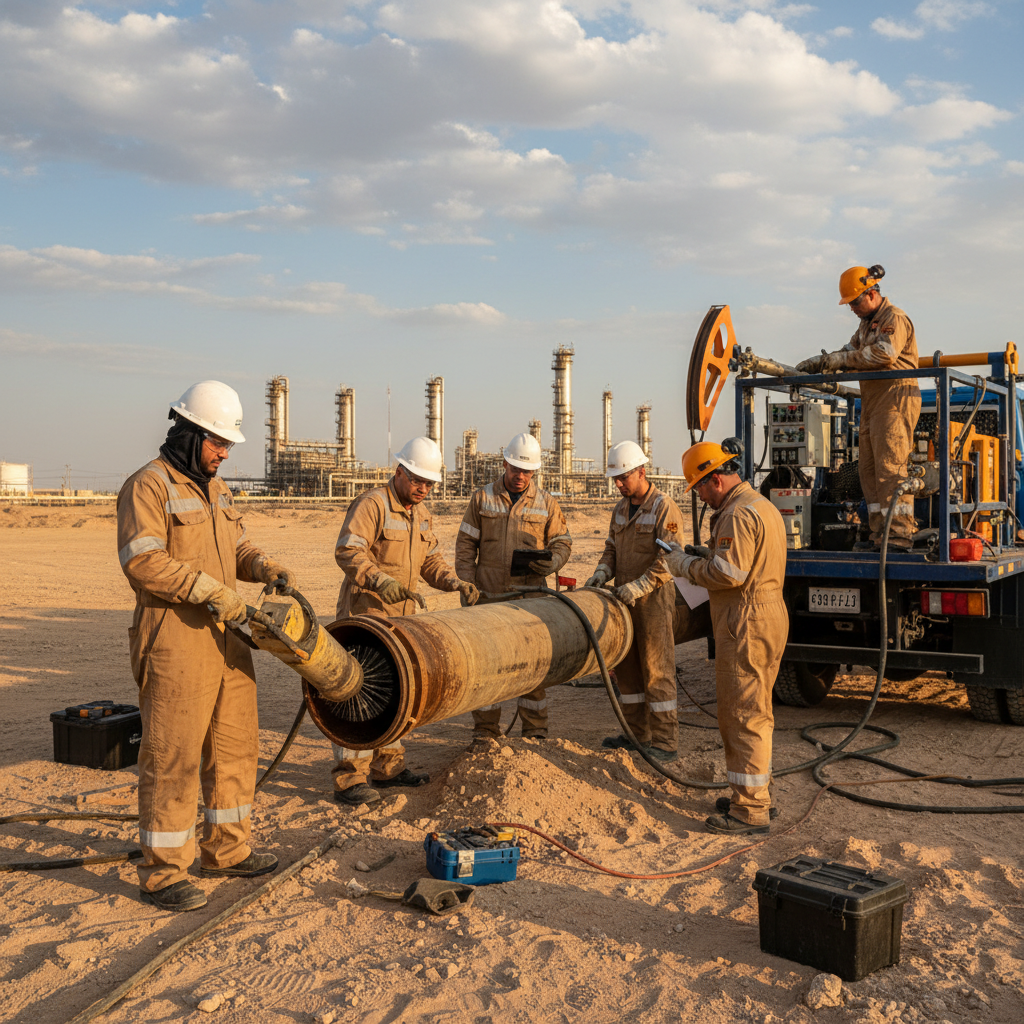
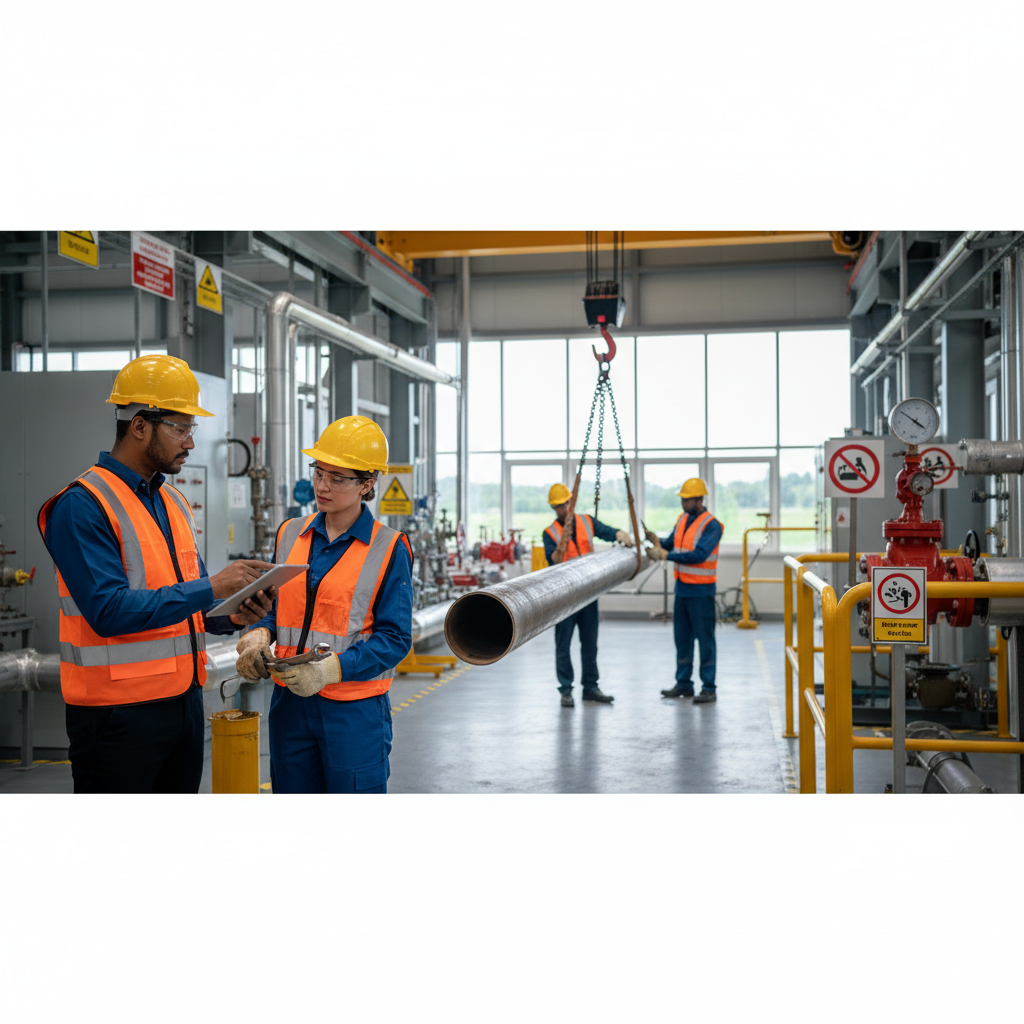
Pipeline pigging operations, while routine in many facilities, involve significant safety considerations. Illinois pipeline operators must follow strict safety protocols to protect workers, equipment, and the environment.
Pre-Pigging Safety Checklist
- Pipeline assessment: Verify pipeline condition, identify any restrictions, and confirm pig compatibility with the line.
- Pressure verification: Ensure operating pressure is within the rated capacity of all equipment including launchers and receivers.
- Communication plan: Establish clear communication between launch site, receiving site, and pig tracking personnel.
- PPE requirements: Hard hats, safety glasses, hearing protection, and steel-toe boots are minimum requirements.
Pig Selection for Safety
Using the correct pig type and size is essential for a safe operation. The outer diameter of the pig should be 1-5% larger than the pipe’s inner diameter, with 2% being optimal. An undersized pig may become stuck, while an oversized pig can damage pipeline infrastructure.
Equipment Inspection
Before every pigging run, inspect launchers, receivers, closures, and tracking equipment. Biggy Piggy Inc rental equipment is inspected and tested before every deployment.
Need safety guidance for your pigging operations? Our experienced team at Biggy Piggy Inc can provide on-site consultation and training for your pipeline maintenance crew.